

Enabling Technology
Expertise in solid-phase peptide synthesis and liquid-phase synthesis, fmoc method, cyclic peptides, and peptide–drug conjugates (PDCs), supporting full-scale development from milligram (mg) to kilogram(kg)

Expert Scientific Team
10+ years of end-to-end expertise in peptides and oligonucleotides from R&D to commercialization, supported by a professional team of 50+ specialists

Global Compliance
ISO9001-aligned R&D and GMP-compliant production, meeting FDA/EMA/NMPA regulatory standards for worldwide market readiness
Our Services
Contact us today for faster, more cost-effective and more reliable peptide drug development.
Peptide High-Throughput Synthesis
- 36/48 Multi-Channel Peptide Synthesizer, Simultaneously Synthesizes up to 48 Peptides of Different Sequences
- Scale: 0.05-0.1 mmol (1-10 mg) Per Channel
- Sequence Length: 3-80 AA
- Automated Purification Collection
- Rapid Delivery : 2 weeks/cycle (20-30mer)
Peptide Customized Services
- Solid-phase Synthesis and Liquid-phase Synthesis
- N-terminal Modifications: Acetyl, Carbamate, PEGylation, Biotinylation, Fluorescent Labeling, etc
- Cyclic Peptide Synthesis: TATA Cyclization, 1 to 2 Disulfide Bonds, 2 to 3 Disulfide Bonds, Click Cyclization, Amide Rings, Click and Disulfide Double Rings, Stapled Peptides, etc
- C-terminal Modifications C-amides, Esters, AMC
- GLP-1 Derivatives
Peptide Quality Control
- Impurities Studies
- Chiral Impurity Analysis
- MS/MS-sequencing, N-sequencing, NMR, Amino Acid Composition, Corresponding Isomers, Assay, Solvent Residues, Heavy Metals, Microorganisms, Endotoxins, etc.
Peptide and PDC CDMO Service
- Integrated solutions from R&D to commercial manufacturing
Representative Product Experience
- Peptide PEGylation (PEG MW:≤30000), Poly-L-Sar
- Tirzepatide, Semaglutide, Desirudin, Oxytocin, Carbetocin, Linaclotide, Leuprorelin, Terlipressin, Tiradostat, Triptorelin, Goserelin, Exenatide, Plecanatide
Why Partner with ChemExpress
Robust Peptide Synthesis Capability
With over 2,000 peptide projects completed, using advanced techniques such as solid-phase synthesis and liquid-phase synthesis, capable of efficiently and precisely synthesizing linear peptides up to 80 residues and cyclic peptides such as TATA cyclization, from mg to kg scale
Extensive experience
Over 10 years of end-to-end expertise in peptide from R&D to commercialization, supported by a professional team of over 50 specialists ensuring superior quality and efficiency throughout every phase
Regulatory Compliance
ChemExpress offers ISO9001-aligned R&D and GMP-compliant production, meeting FDA/EMA/NMPA regulatory standards, ensuring high-quality, scalable solutions for your PDC pipeline
Our Sites
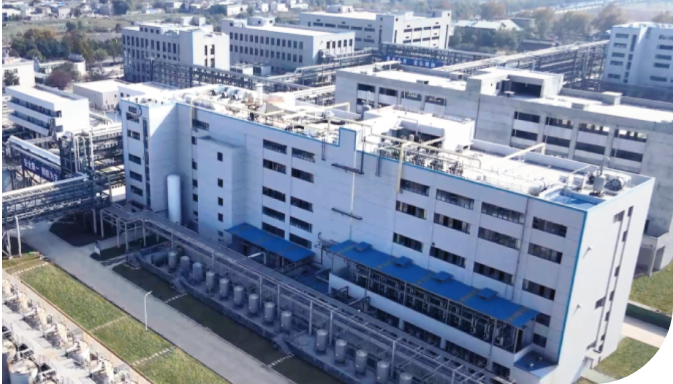
R&D Site & Manufacturing Site


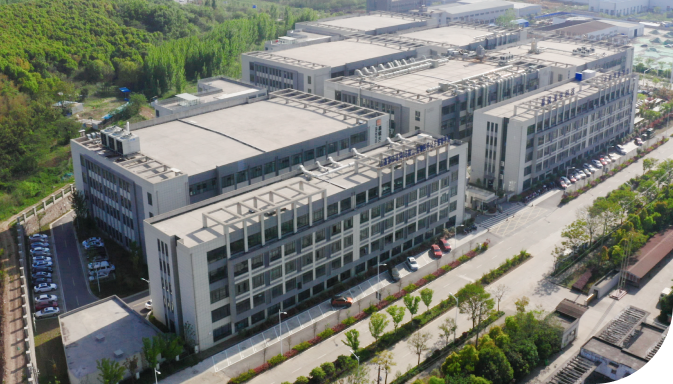
 Payload-Linkers、Peptides & Oligonucleotides Customzied Synthesis and Process Development and Manufacturing
Related Services

Tides CDMO Services
ChemExpress provides end-to-end Tides CDMO services from R&D to commercialization, with Full-Time Equivalent (FTE)/ Fee-for-Service (FFS) and CMC services.

Oligonucleotide Process Development & Manufacturing
ChemExpress offers custom oligonucleotide synthesis, chemical modification, purification, and scale-up manufacturing services from lab to pilot scale.
Case Study
Analytical Strategy for L/D Isomer Impurities in Peptides
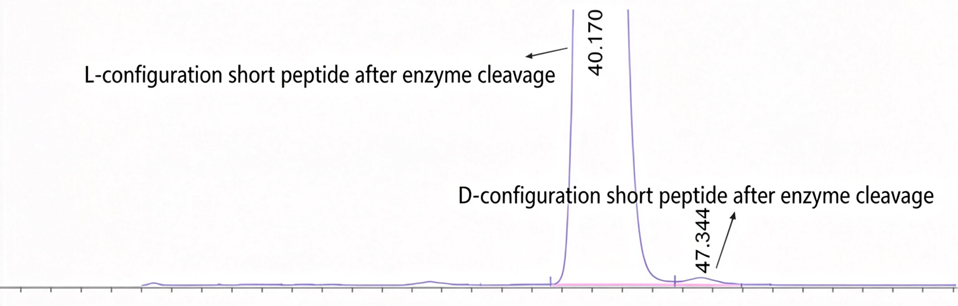
This project focused on developing an analytical strategy for L/D isomer impurities in peptides. Due to the nearly identical physicochemical properties of L- and D-configurations in intact long peptides, conventional reversed-phase HPLC often fails to provide adequate resolution, posing challenges for impurity profiling and accurate quantification.
ChemExpress implemented an enzymatic cleavage approach to convert the parent peptide into shorter fragments, followed by chiral chromatography for isomeric separation. This strategy significantly enhanced resolution and detection sensitivity. Post-cleavage analysis showed baseline-separated peaks, enabling reliable identification and quantification of isomeric impurities.
· L and D configuration long peptides before enzyme cleavage
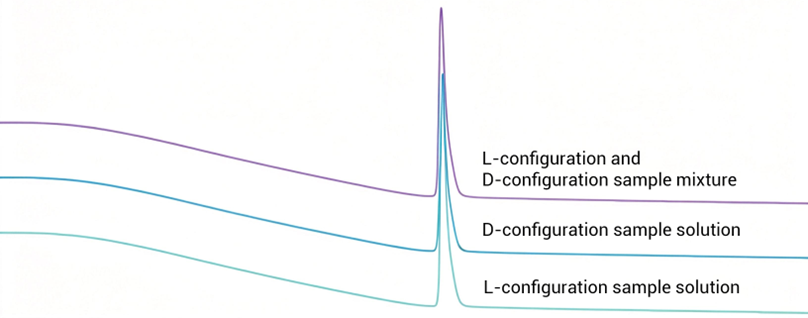
· Through enzyme cleavage, long peptides are converted into short peptides, which are then subjected to chiral separation to complete the analysis of the differential isomeric impurities.
FAQs
Our custom peptide synthesis platform integrates solid-phase and liquid-phase synthesis, with high-throughput and automated production lines for rapid screening and synthesis. We can synthesize peptides ranging from 3 to 80 amino acids and offer synthesis scales from milligrams to kilograms. We also support the development of cyclic peptides (including multiple cycles), fluorescent labeling, and other functionalized peptides.
Chiral impurities refer to non-target stereoisomers formed during peptide synthesis due to racemization or other causes. These impurities can impact the peptide's efficacy, safety, and stability. Particularly in clinical applications, chiral isomers may lead to reduced drug activity or potential side effects.
The control of chiral impurities is achieved through the following strategies:
1. Starting Material Control: Ensuring high purity of starting materials and setting strict quality standards to prevent introducing impurities from substandard materials.
2. Process Control: Screening optimal reaction conditions (such as temperature, solvent, pH) to minimize racemization and reduce unwanted chiral impurities.
3. Process Strategy: Implementing specific process strategies, such as using chiral reagents or enzyme-catalyzed reactions, to reduce racemization risk and ensure high chiral purity in the final product.
Structural characterization of peptides is essential to ensure product quality and functionality. We employ a range of analytical techniques, including nuclear magnetic resonance (¹H-NMR, ¹³C-NMR), mass spectrometry (MS), tandem MS sequencing (MS/MS), N-terminal sequencing, two-dimensional NMR (2D-NMR), infrared spectroscopy (IR), and ultraviolet spectroscopy (UV). These complementary approaches verify the structure, sequence, and purity of peptides, ensuring accuracy and reliability.


